10 June, 2026
Employment & Compliance
Unfair Dismissal in Australia: What Employers Need to Know in 2026
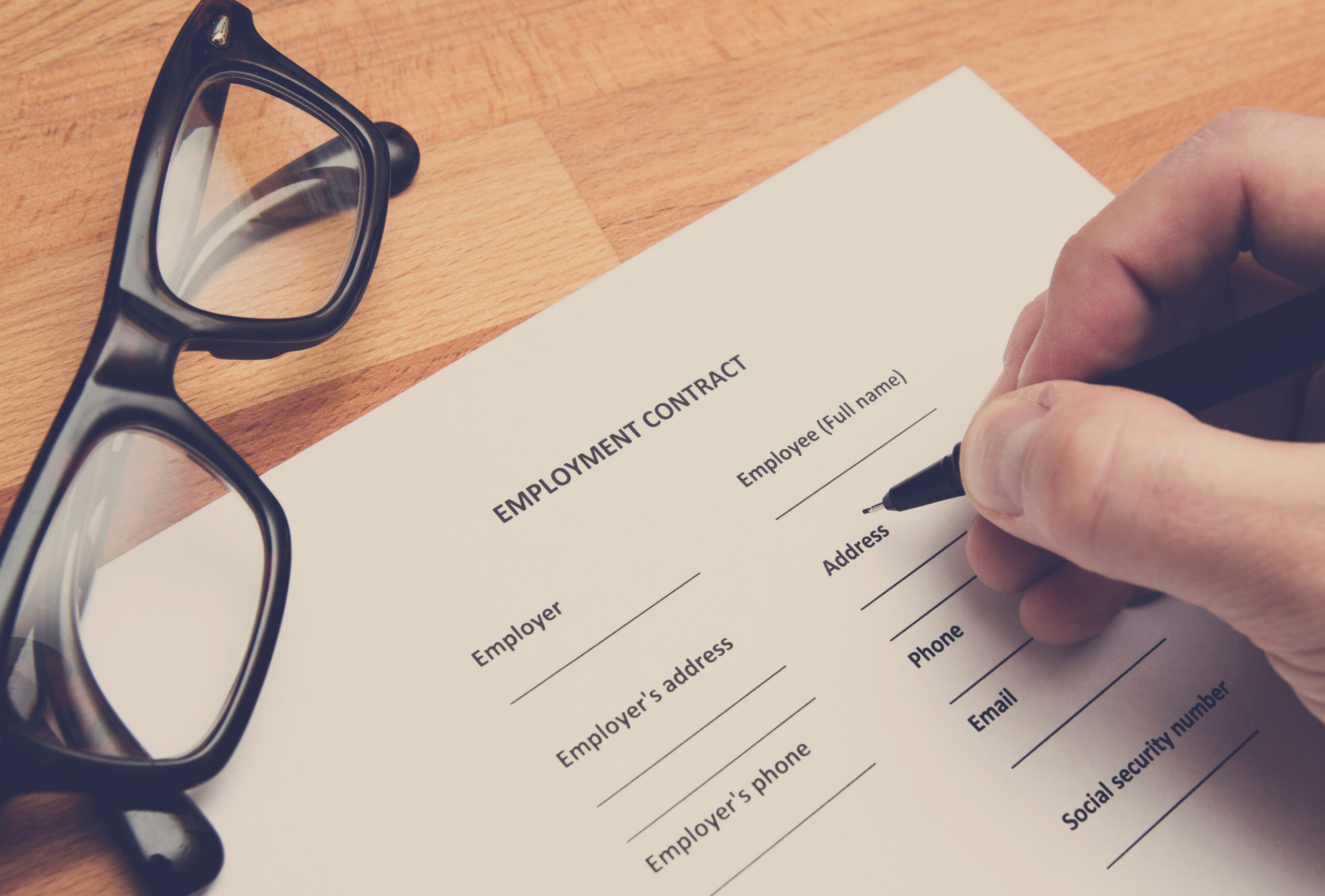
Terminating an employee is one of the riskiest decisions a business can make. Get it wrong and you could be defending an unfair dismissal claim at the Fair Work Commission within weeks, facing reinstatement orders, compensation payouts of up to six months' pay, and a hit to your time, legal costs and team morale. With the Fair Work Commission receiving over 14,000 unfair dismissal applications a year, the risk of being on the receiving end as an unfair dismissal employer is real for businesses of every size.
This guide explains how unfair dismissal works in Australia in 2026, who can lodge a claim, what the Fair Work Commission considers, the procedural traps that catch employers out, and the practical steps you can take to terminate lawfully and defend yourself if a claim is made. It is written for Australian business owners, HR managers and directors, with a particular focus on small to medium employers in Queensland.
What Is Unfair Dismissal Under Australian Law?
Unfair dismissal is governed by Part 3-2 of the Fair Work Act 2009 (Cth). A dismissal is unfair if the Fair Work Commission finds it was harsh, unjust or unreasonable, was not a case of genuine redundancy, and (for businesses with fewer than 15 employees) was not consistent with the Small Business Fair Dismissal Code.
"Dismissal" covers the obvious case of terminating an employee, but it also includes forced resignations, where the employee was effectively pushed out by the employer's conduct. That is known as constructive dismissal, and it is increasingly common in claims involving workplace bullying, demotions and unilateral changes to pay or duties.
The three legs of "harsh, unjust or unreasonable" are tested against the criteria in section 387 of the Act. The Commission weighs:
- Whether there was a valid reason for dismissal related to capacity or conduct
- Whether the employee was notified of that reason
- Whether the employee was given a chance to respond
- Whether the employer unreasonably refused a support person
- Warnings given for unsatisfactory performance
- The size of the employer's business and access to HR expertise
- Any other matters the Commission considers relevant
Most employer losses do not come from lacking a valid reason. They come from getting the process wrong.
Who Can Lodge an Unfair Dismissal Claim?
Not every dismissed employee can bring a claim. The Fair Work Commission requires applicants to meet eligibility thresholds. As of 2026, an employee is generally eligible if they:
- Have completed the minimum employment period: 6 months for businesses with 15 or more employees, or 12 months for small businesses (under 15 employees)
- Earn less than the high-income threshold (indexed each 1 July) or are covered by a modern award or enterprise agreement
- Are not a casual employee without a regular and systematic pattern of work with a reasonable expectation of continued employment
- Lodge their application within 21 days of the dismissal taking effect
The 21-day window is strict. Extensions are rare and only granted in exceptional circumstances. If you receive a Form F2 application from the Commission, the clock for your response is already running, and we strongly recommend obtaining legal advice within days, not weeks. Note also that minimum employment period thresholds and the high-income threshold are indexed and updated annually; current figures are published by the Fair Work Ombudsman.
Valid Reasons for Dismissal: Capacity and Conduct
Valid reasons fall broadly into two categories.
Capacity
This covers situations where the employee cannot perform the inherent requirements of the role, for example sustained underperformance, lack of skills, or a long-term medical incapacity. Capacity dismissals require evidence: documented performance reviews, clear KPIs, structured performance management, and where relevant, independent medical assessments.
Conduct
Conduct dismissals cover misconduct (e.g. policy breaches, dishonesty, insubordination) and serious misconduct (e.g. theft, assault, fraud, serious safety breaches). Serious misconduct can justify summary dismissal without notice, but only if the conduct genuinely meets the threshold in regulation 1.07 of the Fair Work Regulations 2009. Getting this categorisation wrong is one of the most common ways employers expose themselves.
What does not count as a valid reason: a personality clash, a vague "not a culture fit", a temporary illness, exercising a workplace right, refusing unreasonable demands, or taking lawful protected industrial action. Dismissals on these grounds risk both unfair dismissal claims and general protections (adverse action) claims, which are uncapped in compensation.
The Small Business Fair Dismissal Code
If your business has fewer than 15 employees (counted as headcount, including regular casuals), the Small Business Fair Dismissal Code applies. Compliance with the Code provides a strong defence to an unfair dismissal claim.
For summary dismissal, the employer must reasonably believe the conduct is sufficiently serious to justify immediate dismissal. For other dismissals, the Code requires:
- A valid reason based on conduct or capacity
- A warning (preferably written) that the employee is at risk of dismissal if the issue continues
- A reasonable opportunity to respond and improve
- The right to have a support person present at any discussion about dismissal
If you cannot tick all four boxes, you cannot rely on the Code. Many small business owners assume the Code shields them automatically; it does not.
Procedural Fairness: Where Most Employers Lose
The Commission can find a dismissal unfair even when there was a valid underlying reason, simply because the process was flawed. Procedural fairness is the area that produces the most preventable losses for employers.
A defensible process generally includes:
- Investigation first. Gather facts before forming a view. Interview witnesses, preserve documents, take dated notes
- Show cause letter. Set out the allegations clearly, the evidence, and the potential consequence (termination)
- Genuine opportunity to respond. Allow reasonable time, usually 24 to 72 hours minimum and more for complex allegations
- Support person offered. Confirm in writing that the employee may bring one
- Consideration of the response. Document how you weighed it before making your decision
- Clear termination letter. State the reasons, the effective date, and entitlements paid
Skipping any of these steps, particularly the chance to respond, is a fast track to a finding against you, even if the underlying conduct was genuinely dismissible.
Genuine Redundancy: When It Is and Isn't a Defence
Genuine redundancy is a complete defence to an unfair dismissal claim. But to qualify, three conditions must be met under section 389 of the Act:
- The job is no longer required because of changes in the employer's operational requirements
- The employer has complied with consultation obligations in any applicable modern award or enterprise agreement
- It would not have been reasonable to redeploy the employee within the business or an associated entity
Redundancies that look operational on paper but are really about getting rid of a specific person are routinely unwound by the Commission. So are redundancies where consultation was treated as a formality after the decision had already been made. Document your operational rationale, consult genuinely, and explore redeployment in writing.
What an Unfair Dismissal Claim Can Cost an Employer
The Commission cannot order punitive damages, but the realistic exposure includes:
- Reinstatement to the former position, with continuity of service
- Compensation capped at the lesser of 26 weeks' pay or half the high-income threshold
- Lost productivity from management and witness preparation time
- Legal costs. Typically your own; costs orders against the unsuccessful party are rare in the Commission
- Reputational impact on team morale, recruitment, and in some cases public reporting
Most claims resolve at conciliation, often within weeks of lodgement, on commercial terms. The decision to settle versus defend turns on the strength of your evidence, the size of the financial gap, and the optics for your remaining workforce.
Practical Steps to Protect Your Business
Most unfair dismissal disputes are won or lost long before the termination conversation happens. Build the foundations early:
1. Get Your Contracts and Policies Right
Up-to-date employment contracts, a current employee handbook, and clear policies on conduct, performance, social media, and workplace health and safety give you the levers you need to act lawfully. Generic templates rarely hold up under scrutiny. OMB Solicitors regularly drafts and reviews employment contracts and workplace policies for Gold Coast and Queensland businesses through our employment and industrial relations law team.
2. Manage Performance Continuously, Not Just at the Exit
Performance issues handled early through regular feedback, documented warnings and structured improvement plans rarely become unfair dismissal claims. Issues addressed for the first time on the day of termination almost always do.
3. Take Pre-Termination Advice
A short call with an employment lawyer before you act is the cheapest insurance you can buy. We can sense-check the reason, the process, the categorisation (capacity vs conduct vs misconduct), and the timing. Pre-termination advice typically costs a fraction of defending a claim.
4. Document Everything
If it is not in writing, it did not happen. That is how the Commission treats most disputed conversations. Keep dated, contemporaneous notes of meetings, warnings, responses and decisions. Save them somewhere your business can actually retrieve in two years' time.
5. Respond Quickly If a Claim Is Lodged
If an employee files a Form F2, you have seven days to respond with a Form F3 employer response. The first conciliation conference usually follows within a few weeks. Early legal advice often produces better outcomes (and lower costs) than scrambling to defend at the eleventh hour. OMB Solicitors' Gold Coast employment litigation lawyers act exclusively for employers in these disputes.
Frequently Asked Questions
Can I dismiss an employee in their probation period without risk?
If the employee has not completed the minimum employment period (6 months, or 12 months for small businesses), they cannot bring an unfair dismissal claim. However, they may still bring a general protections claim under the Fair Work Act, or a discrimination claim under state or federal law, regardless of length of service. Probation reduces unfair dismissal risk; it does not eliminate legal risk altogether.
Is summary dismissal for serious misconduct ever safe?
It can be, but the bar is high. The conduct must genuinely meet the definition of serious misconduct (e.g. theft, fraud, serious safety breach, refusal to follow lawful and reasonable directions). Even then, the employer should investigate, put the allegations to the employee, and consider any response before deciding to dismiss. Acting in heat-of-the-moment, even for genuinely serious conduct, is one of the most common errors we see.
What is the difference between unfair dismissal and general protections?
Unfair dismissal is about whether the dismissal was harsh, unjust or unreasonable. General protections claims allege that adverse action (including dismissal) was taken because the employee exercised a workplace right, was discriminated against, or engaged in protected industrial activity. General protections claims have no compensation cap, can be brought by employees of any length of service, and reverse the onus of proof onto the employer.
Can I make an employee redundant during their probation period?
Yes, provided it is a genuine redundancy as defined in section 389 of the Fair Work Act. Probationary employees still receive their notice and accrued entitlements, and if covered by an award or agreement, consultation obligations may still apply. Avoid using "redundancy" as a label for a performance-based termination, because the Commission and HR forums spot this quickly.
Do I have to give written warnings before dismissing for poor performance?
The Fair Work Act does not mandate a specific number of warnings, but the Commission almost always asks: was the employee aware their job was at risk, and were they given a fair chance to improve? In practice, written warnings (typically at least one, often more for less serious performance issues) are the most reliable evidence of both.
How much does it cost to defend an unfair dismissal claim?
Many claims resolve at conciliation for a commercial settlement, often in the range of a few weeks' pay, with limited legal cost. Claims that proceed to arbitration involve witness statements, hearings and submissions, and legal fees can run into five figures. The cost of getting the dismissal right the first time is almost always lower.
Final Thoughts
Unfair dismissal law in Australia is not designed to make terminating employees impossible. It is designed to make sure dismissals are based on a real reason, handled with a fair process, and proportionate to the conduct or capacity issue at hand. Employers who treat termination as a business decision worth doing carefully, with the right contracts, policies, evidence and advice, rarely lose claims.
If you are considering dismissing an employee, defending a claim, or simply want to make sure your business has the right foundations in place, the team at OMB Solicitors acts for employers across the Gold Coast and Queensland. We have been advising local businesses since 1968, and our employment team works closely with our business lawyers on the wider commercial issues that often sit alongside an employment dispute. Contact us to arrange a confidential discussion before you act.
Our Services
Property
Buying, selling or leasing? OMB Solicitors can help you today with all your property law needs.
All Property Services
Business Law
No matter what your business law issue is, OMB Solicitors have a wealth of experience across an array of commercial law practice areas.
All Business Law Services
Wills & Estates
Is your estate plan safe from litigation? Is your will up to date? Who will make decisions for you if you can’t?
All Wills & Estates Services
Family Law
Separated or contemplating separation? Considering a property settlement? OMB Solicitors can help you today with all your family law matters.
All Family Law Services
Body Corporate
Need body corporate advice? Look no further! At OMB Solicitors we are experts in all matters relating to strata and bodies corporate.
All Body Corporate Services
Litigation
OMB Solicitors have an expert team of litigation lawyers to assist in not only litigation, but also exploring other ways of resolving disputes.
All Litigation Services
Insurance
OMB Solicitors’ experienced insurance lawyers are on hand to assist with your insurance law matter.
All Insurance Services
